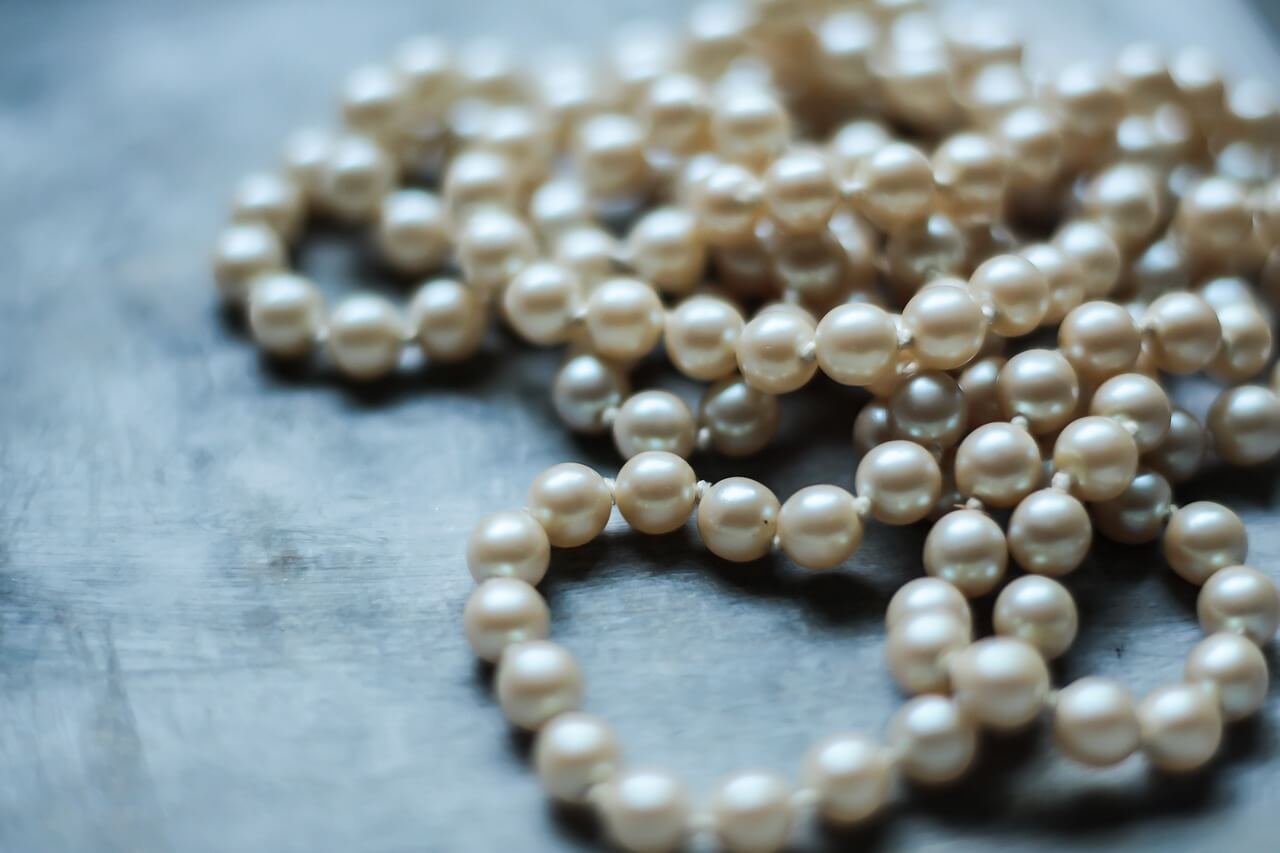
Understanding genuine pearls means looking beyond surface appearances into structure, origin, and quality. Each authentic gem tells a story of patience, rarity, and nature’s artistry. Top gemologists combine sharp observation, specialized technology, and informed pearl grading to distinguish true treasures from imitations. With counterfeit techniques growing more advanced, professionals apply multiple tests and advanced evaluations, striving for clarity in every assessment. Confidence comes from thoroughness and consistency by checking physical, chemical, and visual clues, evaluators improve both accuracy and value. Buyers and collectors benefit from this knowledge and expertise, ensuring every investment remains genuine. This broad overview explores essential testing strategies, showing how experts combine tradition, science, and technology for reliable authentication.
Visual Inspection Basics
- Examine color tone and sheen brightness
- Observe shape roundness or unique unevenness
- Spot natural growth lines or subtle marks
- Check for organic luster under white light
- Identify reflections across pearl surface clearly
Even tiny differences in first inspection can reveal true origin quickly.
Surface and Blemish Review
- Detect minor flaws with strong magnifier
- Record pits, spots, or ridged lines
- Check texture against imitation standards
- Compare smoothness with certified models
- Verify consistent finish in pearl strand
A blemish free surface signals meticulous handling and rare formation.
Symmetry and Shape Check
- Gauge roundness with professional calipers
- Measure symmetry for matched pearl sets
- Note teardrop or oval pearl appearances
- Detect symmetry imperfections for authenticity clues
- Align strand for best contour match
Shape and alignment often separate natural from lab produced pearls.
Luster Measurement Techniques
- Assess glow using specialized pearl grading scales
- Compare lighting response from different sources
- Track differences between glazed and deep luster
- Identify unique iridescent halos present
- Select pearls with radiance for top grades
Rich luster adds value and signals nature’s careful process.
Internal Structure Analysis
- Use X-ray to photograph pearl layering
- Look for concentric natural core lines
- Identify bead nucleus or solid growth
- Utilize tomography for three dimensional scans
- Evaluate composition with spectroscopy tests
Internal features help distinguish cultured from natural specimens.
Drill Hole Assessment
- Inspect drill hole edges for smooth finish
- Search for chalky buildup inside cavity
- Measure consistency through all drilled pearls
- Analyze residue indicating treatments or filling
- Ensure solid nacre surrounding the hole
Odours, debris, or residue inside holes offer insight into authenticity.
Chemical and Thermal Testing
- Expose pearl to gentle warm surface
- Monitor response to mild acids safely
- Observe change or resistance upon heating
- Use refractometers for unique index results
- Perform Raman spectroscopy for composition proof
Careful testing confirms structure and resists superficial counterfeiting.
Documentation and Certification
- Request reports from trusted certification bodies
- Confirm details with matching photographic records
- Analyze grading reports for detailed description
- Look for “pearl grading” stamp or seal
- Cross check historic records for rare types
Official paperwork and stamps serve as long term proof of authenticity.
Trustworthy Authentication Tools
Certainty in pearls relies on blending time tested observation, technical methods, and industry best practices. When collectors and buyers rely on advanced strategies, they safeguard their investments and preserve heritage. Let reliability, documentation, and expert grading be the cornerstone of choosing gems that will be treasured for generations.